
The world of leadership is undergoing a quiet but profound transformation. While technology, automation, and artificial intelligence dominate strategic conversations, a deeper shift is happening beneath the surface — a shift toward inner leadership.
Executives today are expected to lead through volatility, ethical scrutiny, workforce transformation, and sustainability challenges — often all at once. In such an environment, technical expertise and experience alone are no longer sufficient. Leaders must possess clarity, emotional balance, ethical grounding, and long-term vision.
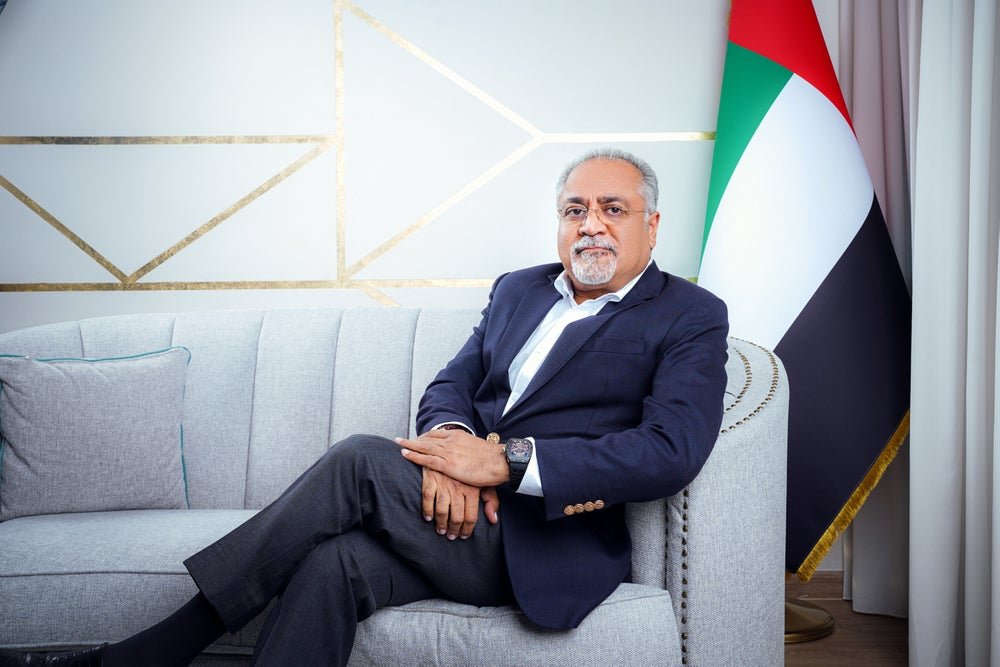
This is where Vedantic Leadership offers a powerful and enduring framework.
Rooted in ancient wisdom yet deeply relevant to modern organizations, Vedantic Leadership is increasingly being embraced by senior leaders who recognize that sustainable success begins within.
What Makes Vedantic Leadership Timeless and Relevant
Vedanta, one of the world’s oldest philosophical traditions, is centered on self-awareness, discernment, and conscious action. When applied to leadership, it shifts focus from authority to awareness and from reaction to reflection.
Vedantic Leadership is not about religious belief or spiritual practice in isolation. It is about cultivating a leadership mindset that remains steady under pressure, ethical in complexity, and purposeful amid uncertainty.
Its relevance today lies in its universality. The challenges faced by leaders in Dubai, India, and across the globe — rapid change, ethical dilemmas, stakeholder pressure, and burnout — are precisely the conditions Vedantic wisdom was designed to address.
The Leadership Challenges of the Modern Era
Corporate leaders today face unprecedented complexity:
- Constant disruption from technology and innovation
- Rising expectations around transparency and ethics
- Workforce disengagement and leadership burnout
- Global economic and geopolitical uncertainty
- Pressure to align growth with sustainability
In such conditions, reactive leadership often leads to short-term gains but long-term instability.
Vedantic Leadership encourages leaders to pause, reflect, and respond — creating decisions rooted in clarity rather than urgency.
Core Principles That Define Vedantic Leadership
While Vedantic philosophy is vast, its leadership application rests on a few foundational principles:
1. Self-Awareness
Leadership begins with understanding one’s own motivations, fears, and biases. Self-aware leaders make decisions with greater objectivity and confidence.
2. Detachment from Outcomes
Detachment does not imply lack of ambition. It means acting with excellence without being controlled by anxiety about results. This reduces stress and improves judgment.
3. Ethical Responsibility (Dharma)
Decisions are guided by what is right and responsible, not merely profitable. This builds long-term trust with stakeholders.
4. Equanimity
Vedantic leaders maintain emotional balance during both success and failure, providing stability to teams and organizations.
These principles form the foundation of Vedantic Leadership, enabling leaders to act decisively without losing balance.
Vedantic Leadership in the Context of Dubai’s Corporate Ecosystem
Dubai is a city built on vision, ambition, and global engagement. Leaders here often operate across cultures, industries, and time zones. This complexity requires more than transactional leadership.
Vedantic Leadership aligns naturally with Dubai’s long-term vision by helping leaders:
- Manage multicultural teams with empathy and awareness
- Make high-stakes decisions calmly under pressure
- Balance rapid growth with ethical responsibility
- Sustain personal well-being while leading high-performance organizations
In an environment that rewards speed and scale, Vedantic Leadership provides something equally valuable — stability and clarity.
India’s Leadership Heritage and Its Global Relevance
India’s leadership traditions have long been influenced by Vedantic thought. As Indian organizations expand globally and engage with international markets, these principles offer a powerful advantage.
Vedantic Leadership enables Indian leaders to:
- Retain ethical grounding during rapid growth
- Lead with humility and confidence in global forums
- Build organizations that endure beyond economic cycles
- Integrate purpose with performance
This cultural depth, when combined with global business strategy, creates leaders who are both grounded and globally effective.
Practical Applications of Vedantic Leadership in Organizations
Vedantic Leadership is not theoretical. It translates into tangible practices that improve organizational effectiveness.
Mindful Decision-Making
Leaders take time to reflect before major decisions, reducing impulsive actions and strategic missteps.
Values-Based Governance
Organizations align policies and incentives with long-term values rather than short-term targets.
People-Centric Leadership
Empathy, listening, and trust-building improve employee engagement and retention.
Crisis Leadership
Equanimity allows leaders to guide teams calmly during uncertainty, maintaining confidence and direction.
Sustainable Performance
Balanced leadership reduces burnout and supports long-term productivity.
Over time, these practices shape resilient organizations led by conscious leaders.
Why Vedantic Leadership Matters for the Future of Work
The future of work will demand leaders who can integrate technology with humanity. As AI and automation reshape industries, the human qualities of leadership — judgment, ethics, emotional intelligence — will become even more critical.
Vedantic Leadership strengthens these qualities by anchoring leadership in awareness rather than authority.
Organizations that invest in such leadership development are better prepared to:
- Navigate disruption
- Build trust in uncertain times
- Retain and inspire talent
- Lead responsibly in a transparent world
Developing Vedantic Leadership Capabilities
Leadership development is evolving beyond skill acquisition toward inner development. Structured coaching, reflective learning, and conscious leadership programs help executives integrate Vedantic principles into daily practice.
For leaders seeking deeper insight into this approach, resources focused on Vedantic Leadership provide a structured pathway to developing clarity-driven, ethical, and resilient leadership.
Conclusion
As the pace of change accelerates, leadership anchored solely in intellect and authority will struggle to endure. The leaders who succeed in the coming decade will be those who cultivate inner stability alongside strategic capability.
Vedantic Leadership offers a timeless yet practical framework for navigating complexity with calm, purpose, and ethical clarity.
In an era defined by uncertainty, conscious leadership is no longer a luxury — it is a necessity.